

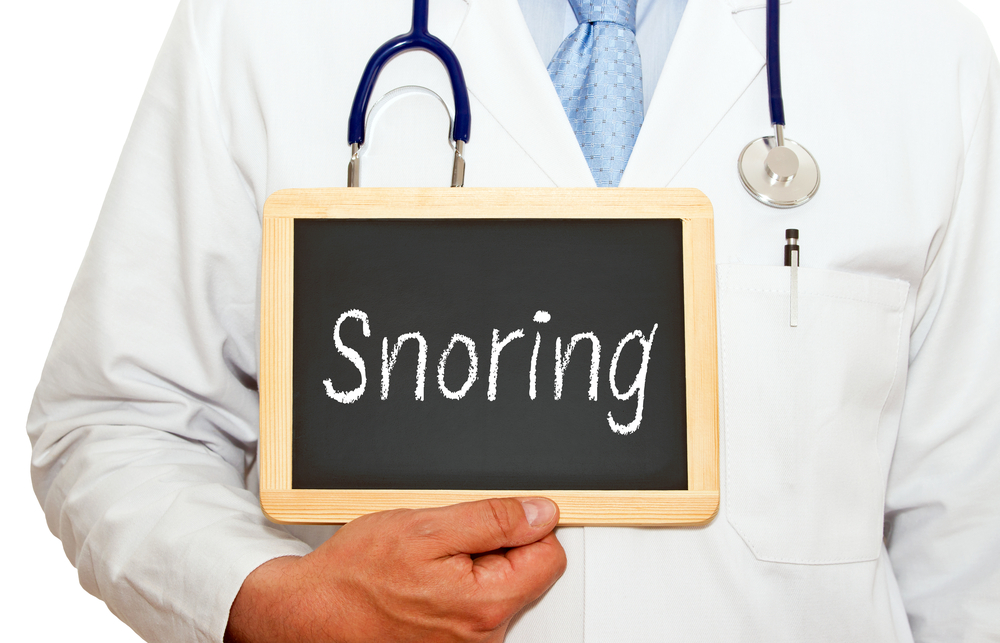
 Although the exact numbers fluctuate between different populations, experts agree that somewhere between 30-50% of the adult population in America snores. On the more sinister side, the National Sleep Foundation estimates that approximately half of people who snore loudly suffer from obstructive sleep apnea. While snoring is often seen as a funny or somewhat annoying problem, obstructive sleep apnea is actually a serious sleep disorder that can have a significant impact on your overall health and life expectancy. To help you make the right choice for your health, we’re looking at the differences between regular snoring and obstructive sleep apnea.
Snoring occurs when the air going in and out of your body during sleep hits an obstruction, interrupting the smooth flow of air. These partial obstructions could be extra soft tissue in the throat, a large tongue, or large tonsils. In some patients, sleeping incorrectly (that is, having improper sleep posture) can cause a partial obstruction of the airways. Snoring itself is not necessarily dangerous, although its close association with obstructive sleep apnea does make loud snoring a cause for concern.
Obstructive sleep apnea occurs when the airway becomes fully blocked during sleep. As the flow of air is cut off, your brain senses the body’s low oxygen level and goes into panic mode, causing you to wake suddenly (often with a sharp gasp or choking sound). Herein lay the two reasons why obstructive sleep apnea is considered such a serious health problem:
Current literature shows a direct link between severe obstructive sleep apnea and life-threatening conditions such as diabetes, heart attacks, and stroke as well as serious psychological problems such as depression. Talk to your dentist today about how a simple oral appliance can help you get a better night’s sleep by helping you breathe easier through the night.